🇰🇷 South Korea, the 🇺🇸 United States and the New Nuclear Submarine–Fuel Bargain
Washington’s approval for South Korean nuclear-powered submarines and a 50–50 enrichment joint venture deepens alliance cooperation while sharpening questions over autonomy, latency and non‑proliferation.
- U.S. backs ROK nuclear subs and fuel joint venture
- Seoul builds on strong indigenous submarine industry
- Greater nuclear autonomy raises regional latency concerns
South Korea’s drive to acquire nuclear‑powered submarines has entered a new phase with President Lee Jae Myung’s announcement of a 50‑50 U.S.–ROK joint venture to secure enriched uranium fuel for the country’s reactors and, eventually, its future nuclear‑powered fleet. The move builds directly on an October summit in Gyeongju and a subsequent joint statement issued by the White House that for the first time endorsed both South Korean nuclear‑powered attack submarines and an expanded civilian fuel‑cycle role for Seoul.
At Gyeongju, Presidents Donald Trump and Lee agreed a package that marries nuclear cooperation to a much larger economic and security deal. Seoul pledged roughly $150 billion in investment into U.S. shipbuilding and about $200 billion into other strategic sectors, while Washington signalled that most tariffs on Korean goods would fall to around 15 percent and that both sides would work to avoid destabilising pressure on the Korean won. These understandings were wrapped into a broader alliance upgrade and codified in the White House joint fact sheet.
Crucially, that document stated that the United States had “given approval for the ROK to build nuclear‑powered attack submarines” and would work with South Korea “to advance requirements for this shipbuilding project, including avenues to source fuel.” It also affirmed U.S. support, within the constraints of the bilateral “123” civil nuclear cooperation agreement, for a process that could eventually permit limited enrichment and reprocessing for peaceful purposes.
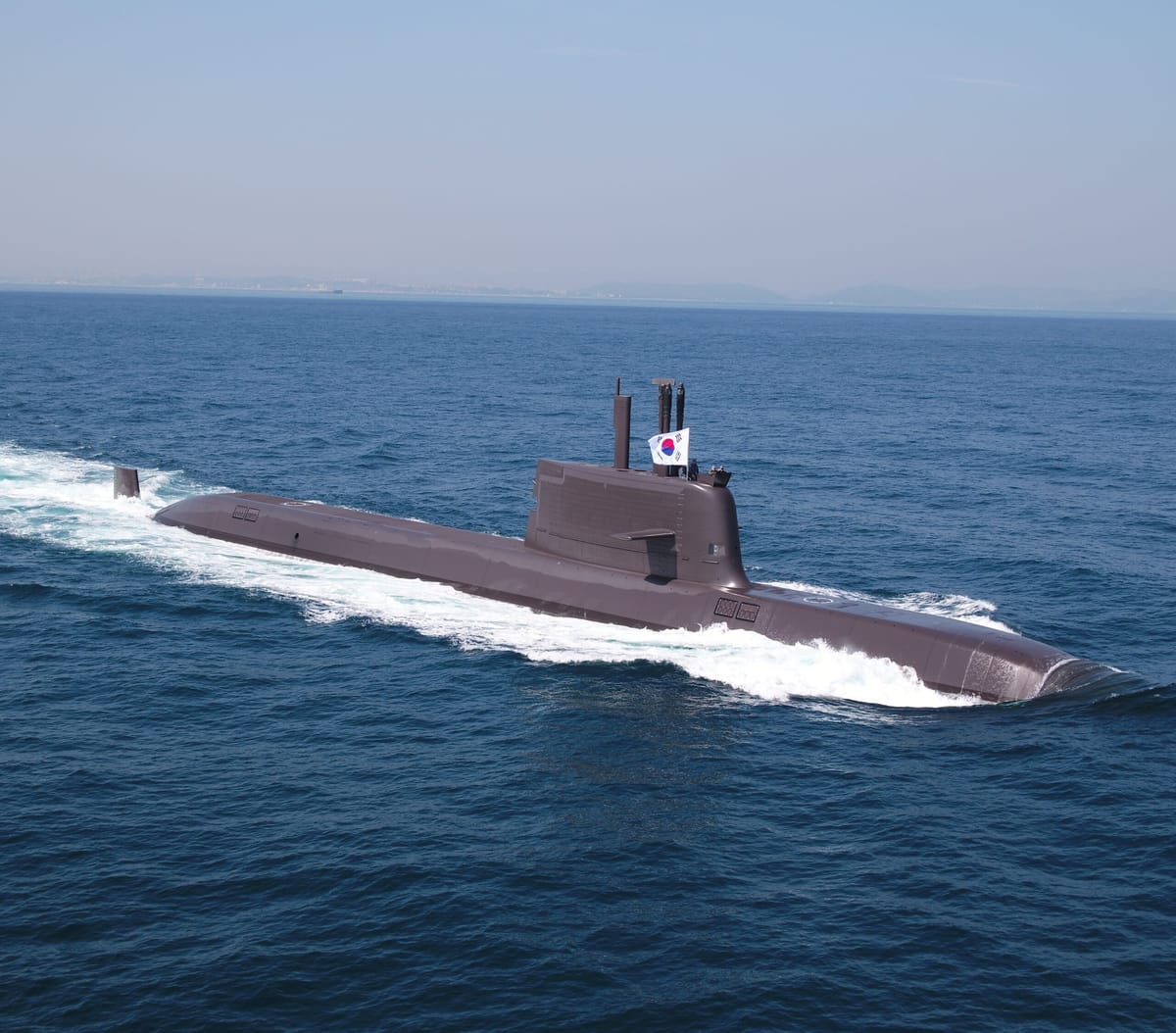
South Korea approaches this opportunity with substantial undersea experience. The Republic of Korea Navy has built a 21‑boat conventional force across three main classes: the German‑derived Jang Bogo (KSS‑I), the AIP‑equipped Son Won‑il (KSS‑II) and the indigenous 3,000‑tonne KSS‑III Dosan Ahn Changho class. The KSS‑III combines air‑independent propulsion with vertical launch cells capable of deploying submarine‑launched ballistic and cruise missiles and represents a significant indigenous design achievement. Yet all of these submarines are diesel‑electric; Seoul still operates no nuclear‑powered attack boats.
The new joint venture is designed to close that gap from the fuel side. At his 3 December news conference in Seoul, Lee disclosed that roughly 30 percent of South Korea’s enriched uranium currently comes from Russia and that Trump had proposed a profitable partnership to replace those imports with fuel produced through a U.S.–ROK venture. The decades‑old American requirement that Seoul not enrich uranium or reprocess spent fuel without U.S. consent has constrained both its civilian industry and its long‑standing ambition to deploy nuclear‑powered submarines. The new arrangement would keep activities under safeguards but give South Korea equity and operational access in enrichment and reprocessing for civilian use.
Lee also reaffirmed key political boundaries. He stressed that Seoul has “no intention” of developing nuclear weapons, arguing that trading the U.S. alliance for an independent arsenal would be “realistically impossible.” Nonetheless, many in South Korea view domestic enrichment and reprocessing as a path to greater “nuclear latency” — the ability to move rapidly toward weapons if extended deterrence were ever to fail. That tension between reassurance and latent capability sits at the heart of the bargain.
Industrial politics add another layer. Trump has publicly argued that the first South Korean nuclear‑powered submarine should be built at Hanwha’s shipyard in Philadelphia as part of U.S. manufacturing revitalisation. Lee and many South Korean lawmakers counter that construction should occur in Korea’s own advanced yards, with Washington providing fuel rather than boat designs or build capacity. Follow‑on talks between senior officials in Washington, including recent consultations on implementing the tariff, investment and security package, suggest this issue remains unresolved.
Taken together, the enrichment joint venture and the approval for nuclear‑powered attack submarines mark the most significant shift in U.S.–ROK nuclear cooperation in decades. They move South Korea closer to the small group of states operating nuclear‑powered submarines, deepen its integration with U.S. industrial and nuclear infrastructures, and sharpen regional debates over deterrence, arms racing and the long‑term balance between South Korean autonomy and alliance dependence.