
🇷🇺 Russia’s Baikonur Breakdown: What the Launchpad Mishap Reveals About Its Space Future
The Soyuz launchpad failure at Baikonur exposes deep structural weaknesses in Russia’s space program and raises hard questions about its long‑term role in human spaceflight.
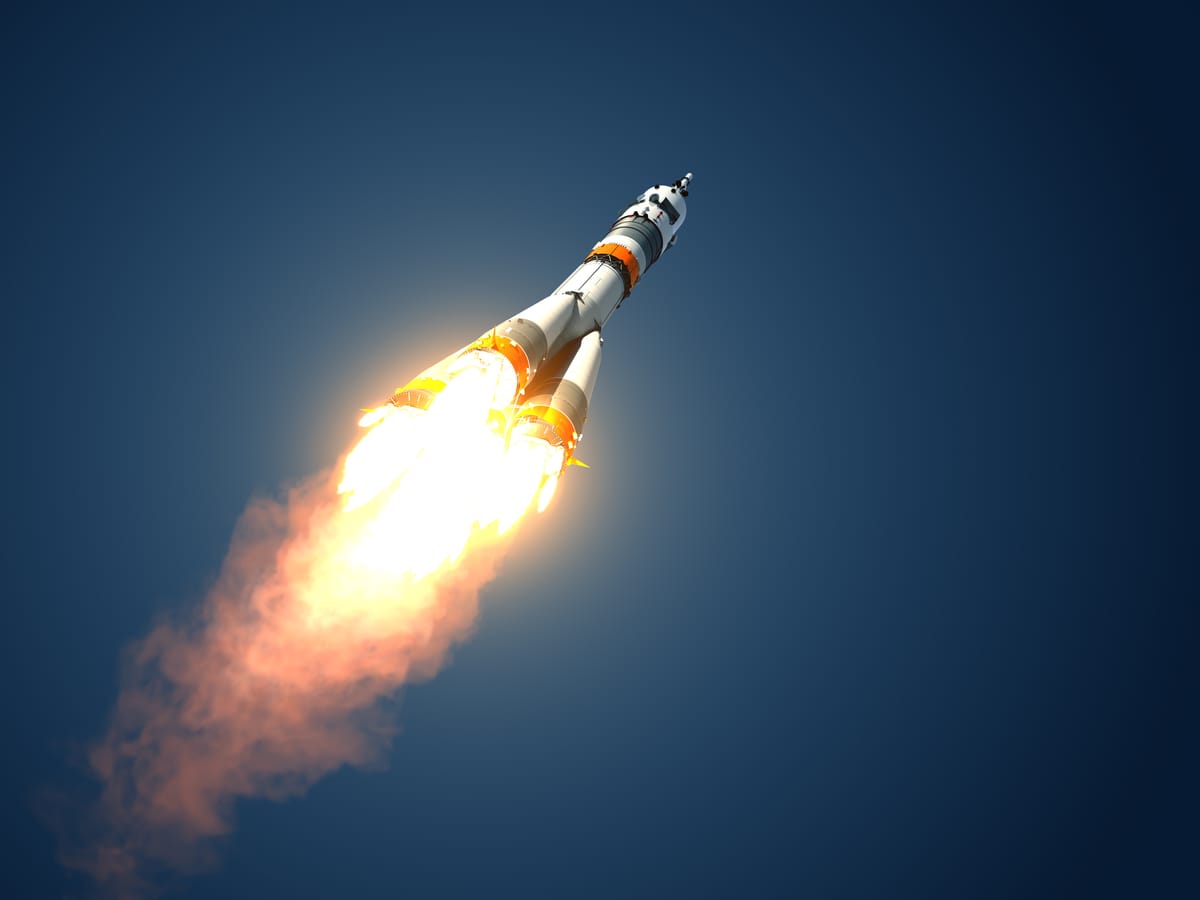
- The mishap has temporarily stripped Russia of its independent ability to launch crews to the ISS, underscoring the fragility of ageing Soviet‑era infrastructure.
- A pattern of recent failures—from Luna‑25 to spacecraft leaks—reflects chronic underinvestment, sanctions pressure and governance problems in the Russian space sector.
- While Moscow plans new systems like the Russian Orbital Service Station and Angara, its ability to deliver reliable hardware will determine whether this is a short‑term setback or a sign of long‑term decline.
Russia’s latest Soyuz launch to the International Space Station, on 27 November 2025, was a paradox: a flawless ascent to orbit masking a serious failure on the ground. As the Soyuz MS‑28 carrying Sergei Kud‑Sverchkov, Sergei Mikaev and NASA astronaut Chris Williams departed Baikonur, a 22‑ton service platform was reportedly blown off its rails and dropped into the flame trench, severely damaging Russia’s only operational crewed launch pad.
For the first time since the dawn of human spaceflight, Russia temporarily has no way to put its own cosmonauts into orbit. Alternative Soyuz pads at Baikonur are mothballed, and the newer Vostochny Cosmodrome has yet to be certified for crewed Soyuz missions. Roscosmos insists repairs can be made quickly using spare components, but independent Russian analysts suggest timelines ranging from several months to more than a year, especially if a new platform must be manufactured.
Technically, this episode underscores the fragility of infrastructure built in the Soviet era and maintained through patchwork upgrades. Soyuz remains a remarkably reliable workhorse, but it depends on ground systems and procedures that are, in many cases, structurally and conceptually decades old. The apparent failure to secure a massive mobile platform against exhaust forces is less a “bad luck” event than a symptom of ageing hardware, manual processes and stretched quality control.
Strategically, the mishap lands on top of a series of setbacks. Russia’s first lunar mission in nearly half a century, Luna‑25, crashed into the Moon in August 2023 after a failed orbital maneuver, highlighting gaps in complex mission engineering and testing. Analyses of the Russian space sector suggest potential underinvestment, sanctions pressure, talent loss and corruption as structural causes of such failures, eroding the inherited strengths of the Soviet space legacy.
Yet Moscow is not exiting space. On paper, Russia has ambitious plans: the Russian Orbital Service Station (ROSS), with the first module targeted for launch around 2027–28 and a multi‑module outpost by the early 2030s; parallel investments in the Angara launch family; and an updated national space agenda worth roughly 4.4 trillion rubles, including significant funding over the next six years. These priorities are less about scientific leadership and more about retaining continuous human presence in orbit, supporting military and commercial satellites, and maintaining status as a top‑tier spacefaring state.
In the short term, NASA can lean more heavily on SpaceX and other partners to rotate crews, while the ISS retains alternative means for attitude control and reboost. But Russia’s ability to supply propellant and maintain its segment of the station will face tighter margins until Baikonur’s capacity is restored or an alternative emerges. The episode therefore accelerates questions that were already looming: how long the ISS can operate safely, and what Russia’s role will be in any successor architectures.
Overall, the Baikonur mishap is less an isolated accident than a stress test of Russia’s entire space model. The country still possesses deep engineering experience, a proven launch ecosystem and clear political will to stay in space. But constrained finances, geopolitical isolation and ageing infrastructure are pushing it from pioneering superpower toward a more limited, selectively capable actor. Whether Russia can translate its ambitious roadmaps into functioning hardware, and do so without further self‑inflicted setbacks, will determine if this incident is remembered as a temporary stumble or as a turning point in its retreat from the front rank of space powers.