
National AI Strategies
🇷🇺 Russia's National AI Strategy
Russia is not racing to lead AI globally, it is engineering an AI system it can control, sustain, and deploy under pressure.

National AI Strategies
Russia is not racing to lead AI globally, it is engineering an AI system it can control, sustain, and deploy under pressure.

Space
The Soyuz launchpad failure at Baikonur exposes deep structural weaknesses in Russia’s space program and raises hard questions about its long‑term role in human spaceflight.
China
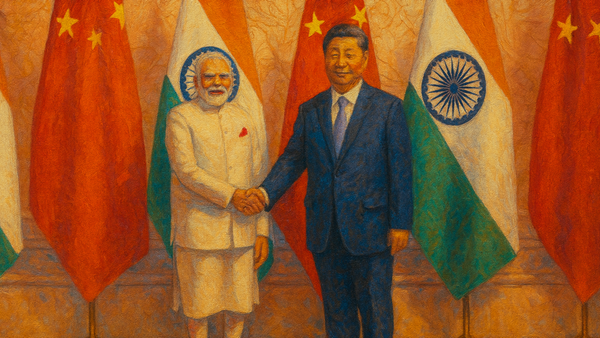
In late August 2025, China’s northern port city of Tianjin transformed into a hub of global diplomacy as President Xi Jinping welcomed over twenty world leaders for a highly anticipated Shanghai Cooperation Organization (SCO) summit
Insights
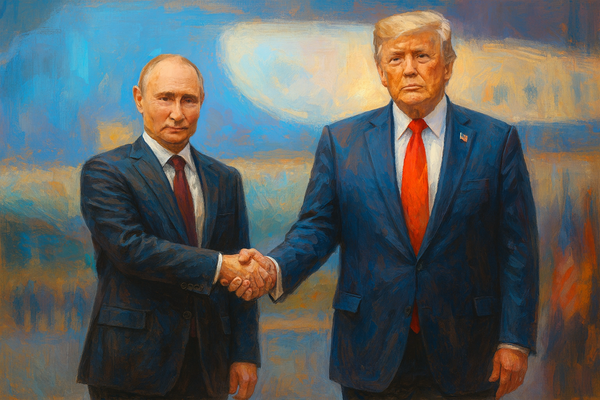
The high-profile Alaska summit between Trump and Putin ended with no ceasefire or concessions, giving Putin symbolic diplomatic gains while Trump vowed to “keep talking” as allies stressed that Ukraine’s sovereignty remains non-negotiable.
National Nuclear Strategies
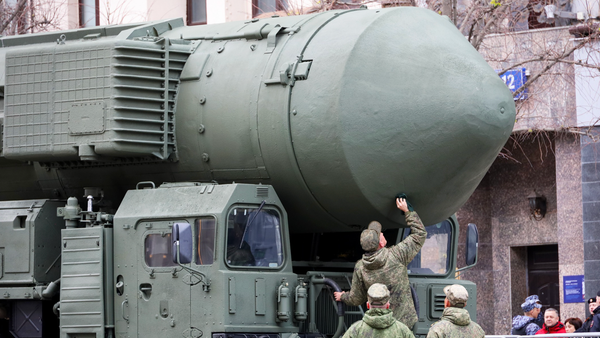
Russia's nuclear strategy blends an escalate-to-de-escalate doctrine with ICBM modernization, tracing from 1972's SALT I to Putin's 2023 New START suspension.
Grand Strategies
Russia's grand strategy pursues renewed global influence over 10-20 years through near-abroad dominance, military modernization, and ties with China and Iran.

Advanced Persistent Threats
💡Advanced Persistent Threats (APTs) are updated regularly. Check our APT Guide, Cybersecurity Guide and National Cybersecurity Strategies. Contribute and share feedback with [email protected] Overview APT28, also known as Fancy Bear, Sofacy, STRONTIUM, and Sednit, is a Russian state-sponsored cyber espionage group that has been active since at
Intelligence Agencies
Russia's SVR, formed in 1991 from the KGB's First Chief Directorate, traces Soviet foundations through post-Soviet transition to its Putin-era revival.